


Want to save water and help the environment?
We're giving three lucky winners the chance to win a free water butt!
Now's the ideal time to add one to your garden space, as we head into the autumn. Water butts are a simple way to collect water when it rains. This will help you to:
How to enter
Click the link below and complete the entry form. It only takes a minute or two - and could make a big difference to your garden and our chalk streams.
Entries close at 11.59pm on Wednesday 11 November. See our prize draw terms and conditions.
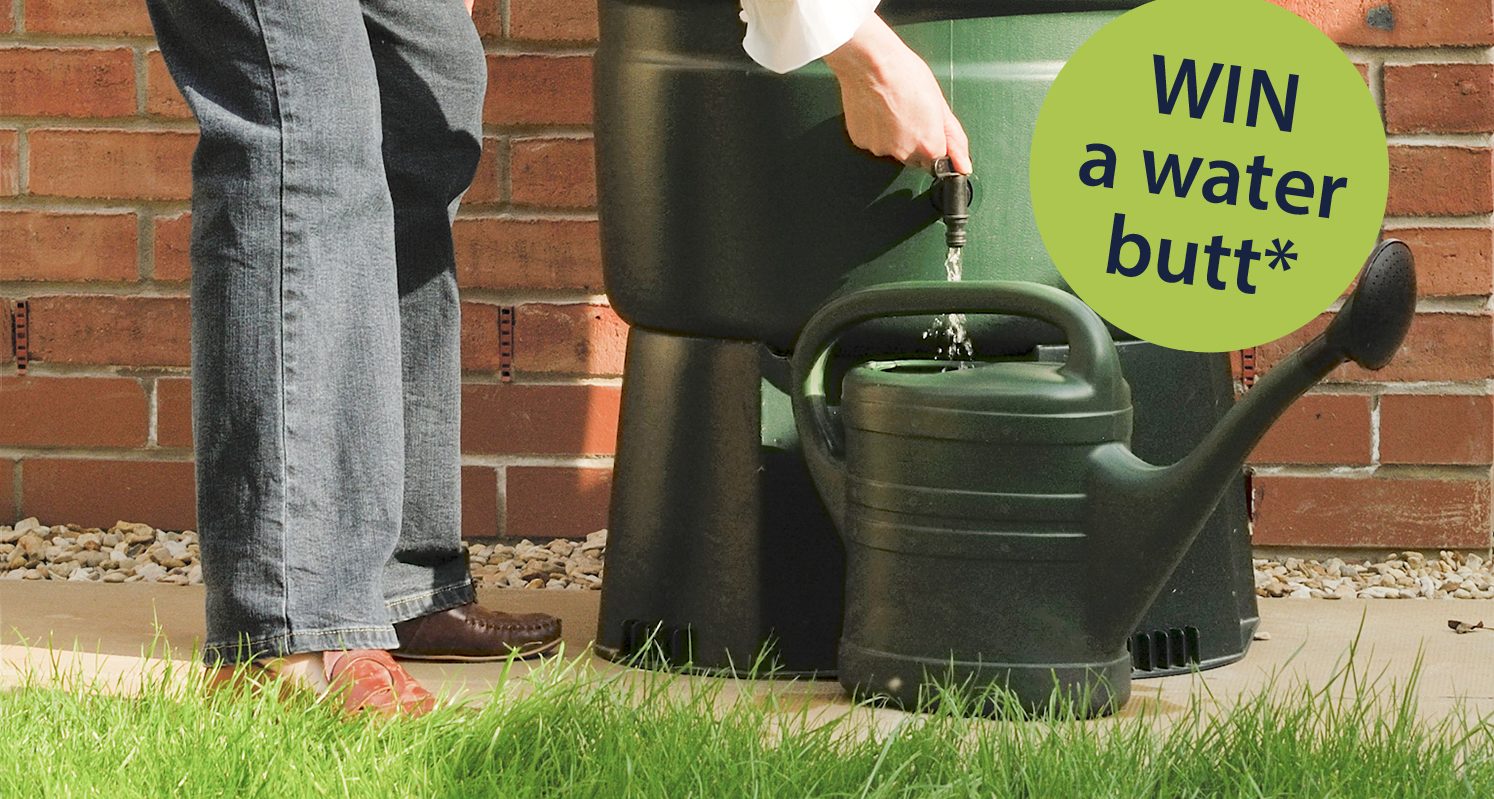
What is a water butt?
A water butt is a large container, typically connected to guttering from sheds, garages and house roofs, that collects rainwater.
Water butts come in different sizes - from 30 litres, for small spaces, up to 1,000 litres or more, for bigger spaces and larger gardens.
What are the benefits of having a water butt?
Because we typically see a lot of rain in this country, water butts are a great way to store rainwater, which you can access all year round.
In fact, from our average rainfall, you could fill five 200-litre water butts 85 times across the year.
Not only is this a great way to save money if you’re on a water meter, but rainwater is full of nutrients, which is great for gardens.
Using a water butt is a simple way to conserve water, especially during dry spells. It helps reduce demand on our treated water supplies and supports a more sustainable future for our communities and environment.
Where can I get one?
Water butts can be bought from most DIY shops, such as B&Q, Wickes or Screwfix, and are relatively simple to install with a few tools. There are a lot of handy videos that you can find online that explain how to install a water butt.
Why is saving water important?
The water we use to provide the clean, high-quality water that comes out of your taps comes from the same source of water that feeds our region’s chalk steams, a rare type of spring-fed river.
When we have years like this year, where we see little rainfall, more pressure is put on our environment as we use the water we have available stored underground in the chalk aquifer quicker.
Also, when we treat and pump water to meet demand, we use more energy, and this has an impact on our carbon emissions.
By reducing demand during peak times and managing our water resources more efficiently, we can continue delivering clean, reliable water to your home without compromising the health of our environment.