

Background
Cambridge City Council secured PEBBLE funding to support the delivery of practical biodiversity improvements as part of its Greater Cambridge Chalk Stream Project.
Chalk streams are rare, spring-fed freshwater ecosystems that originate from porous chalk bedrock and provide clear, clean water.
The project received a £27,000 grant to deliver targeted habitat improvements across Coldham’s Brook, East Cambridge Main Drain, Hobson’s Brook, Giant’s Grave and Nine Wells.
How did PEBBLE funding help?
The PEBBLE grant enabled Cambridge City Council and its project partners to purchase materials and deliver physical habitat improvements that would otherwise have been difficult to fund.
The funding was allocated across the five sites, supporting biodiversity enhancements including:
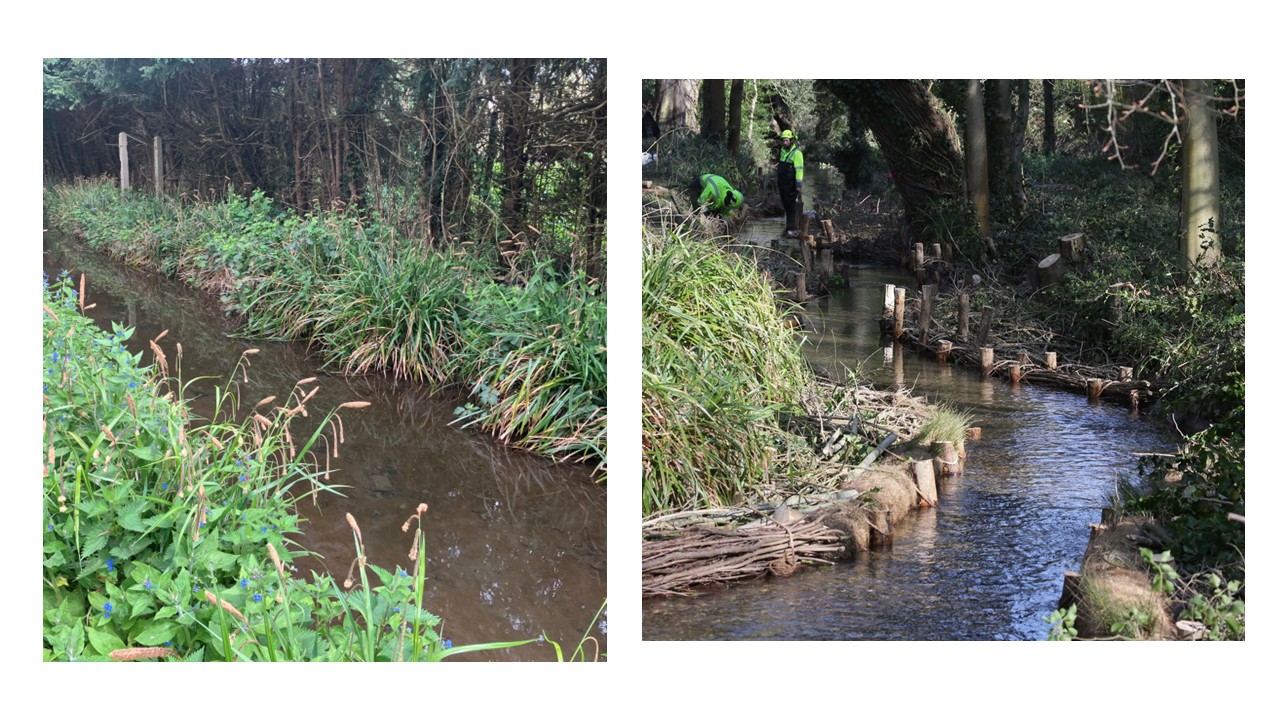
in-channel and bankside habitat works
bank stabilisation
buffer-zone enhancement
wetland and marginal planting
purchase of restoration materials
The grant also complemented wider funding streams, including Cambridge Water’s Water Industry National Environment Programme (WINEP), Cambridgeshire and Peterborough Combined Authority, Anglian Water and Big Chalk, helping maximise the project's impact.
Project challenges
As experienced across many urban chalk stream projects, delivery was affected by challenges including restricted access, unstable banks, sediment build-up, invasive species pressures and the need to co-ordinate landownership and ecological requirements.
Site conditions also required a flexible approach. Sediment build-up, low water flow and unstable margins limited restoration options, so the project team worked with adaptable process-based solutions, including coir systems and targeted planting.
A further challenge was ensuring the PEBBLE funding was used exclusively for practical habitat improvements, rather than consultancy, monitoring or design activities. This was achieved by allocating the grant solely to on-the-ground restoration works and materials.
Project successes
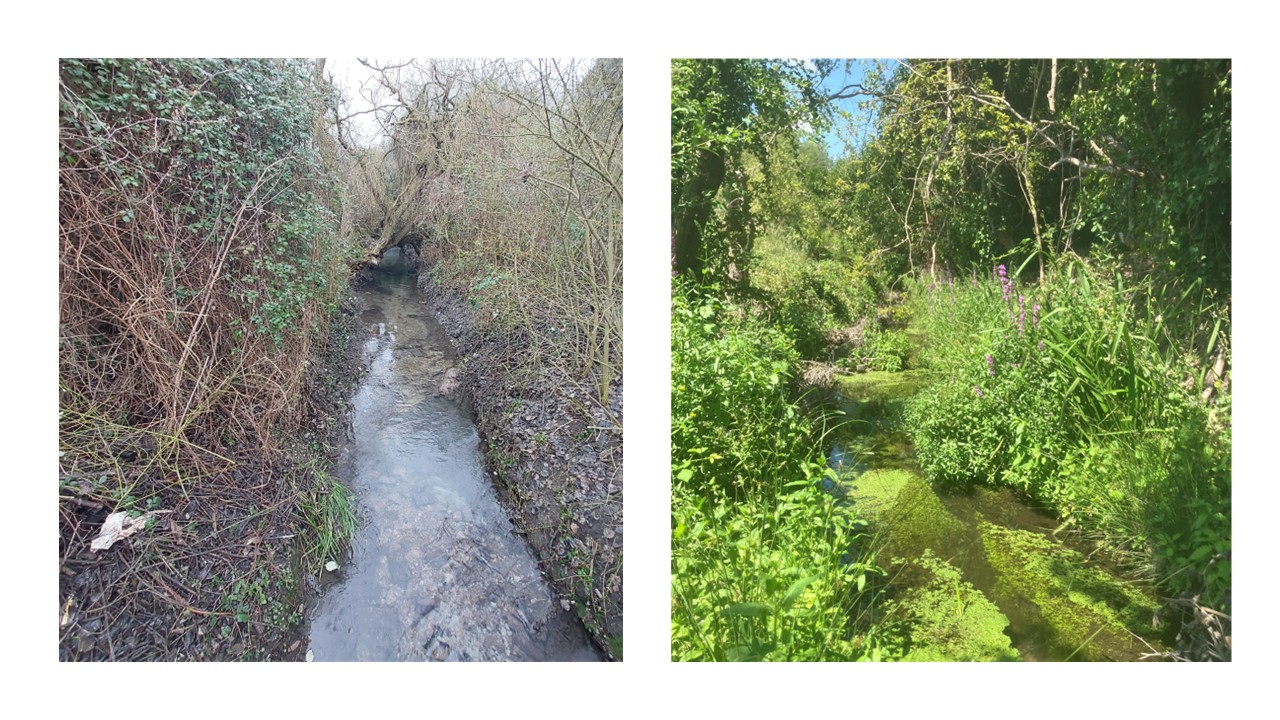
The project has already delivered visible improvements across Cambridge's urban chalk stream network, including enhanced habitat structure, improved bank stability, greater planting opportunities and better conditions for vegetation recovery.
Across the wider Greater Cambridge Chalk Stream Project, delivery has contributed to:
1,300m of in-channel restoration
1,200m of bankside stabilisation
2,400m² of bankside habitat improvements
1.4 hectares of springhead and spring system restoration
Importantly, the funding has helped support the project’s wider objective of moving from evidence gathering to practical restoration and long-term stewardship. This demonstrates how investment in targeted habitat improvements can generate wider ecological and community benefits when combined with effective monitoring, partnership working and volunteer involvement.
Looking ahead
As the restored chalk stream habitats mature, the project expects to see further vegetation growth, more diverse bankside environments and an improved home for aquatic and riparian wildlife.
The restorative works will help support invertebrates, aquatic plants, amphibians, birds and, where needed, water voles, while strengthening the overall resilience of Cambridge's chalk stream network.
The PEBBLE-funded work is also expected to act as a foundation for the next phase of Cambridge City-wide chalk stream restoration. Thanks to the success of this first phase, a larger phase 2 programme is now in development.
Testimonial
“The PEBBLE funding has helped us show that even highly modified urban chalk streams can begin to recover when evidence, practical habitat work and community stewardship come together.”
Greater Cambridge Chalk Stream Project